Our Research
IWLA Affiliates are experts in all areas of the legal regulation of transboundary freshwater resources, both surface and groundwater, at the international, transnational and domestic levels.
Water Allocation
Determining ‘who gets what water’ in the international transboundary water scenario is a complicated problem. The international water law complementary rules of ‘equitable and reasonable use’ and the ‘due diligence duty to prevent causing significant harm’ go a long way in framing the legal context for evaluating water use allocation, but it is all case-by-case specific, and subject to changing circumstances. The Academy’s research contributes to understanding how water use allocation works in practice, honing in on legal rules and best practices.
Prevention and Settlement of Disputes
Transboundary Water Cooperation
The Academy’s research examines the rules of international law related to the duty to cooperate, a fundamental tenet of the law of nations, codified in the UN Charter and in the vast body of instruments concluded in the field of international water law. Despite this, serious challenges remain, especially in contemporary geopolitics as the global community confronts changing alliances and regional conflicts increase. What are the rules of law that apply in this changing context?
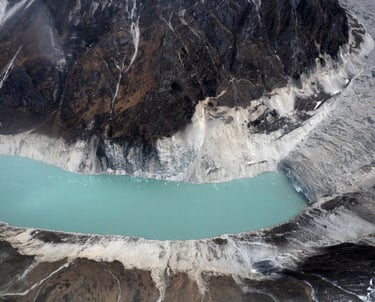
Environmental and Ecosystem Protection
The UN Charter is founded on the principle of the prevention and peaceful settlement of disputes; this applies also to the rules of international law that govern transboundary waters. The Academy’s research surveys the rules that apply in this field, examining the latest jurisprudence and distilling the current status of best practice, including identifying gaps remaining. Given the increase in international disputes, many of which involve shared transboundary waters – we must understand through credible research the possible ways forward in this field.
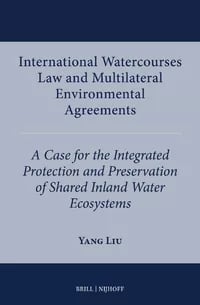
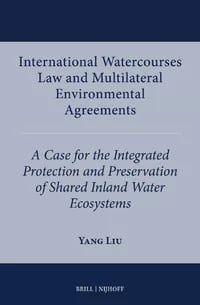
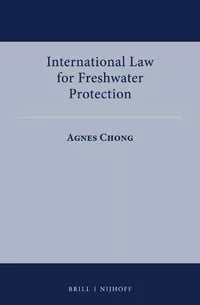
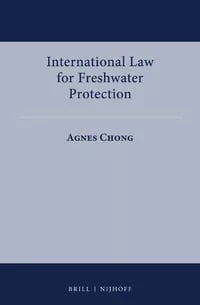
As transboundary waters are part of ecosystems, the rules of international environmental law must be considered through the lens of international water law when dealing with issues connected to environmental and ecosystem protection. How do the multilateral environmental agreements and treaties concerning shared waters impact the shared uses of transboundary waters? The Academy’s research interrogates these issues and offers fresh insights into these intertwined problems.
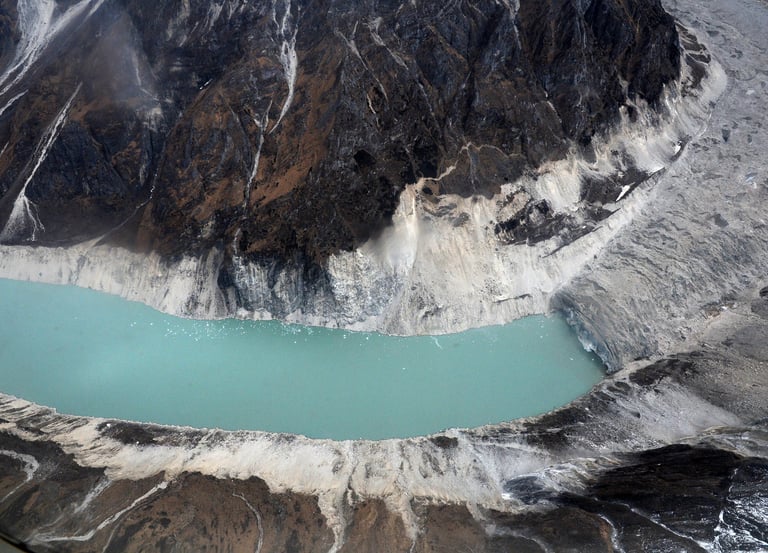
Thulagi Glacier and Lake, Nepal. Photo Credit: Bikas Rauniar, DFID; Downloaded from the Water Alternatives Photo Library. No changes were made to this photo.
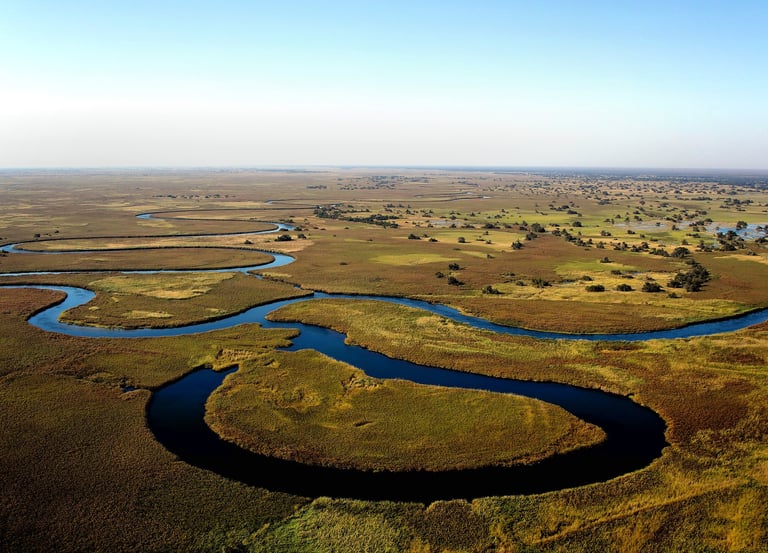
Okavango, Botswana. Photo Credit: wynand-uys; Downloaded from the Water Alternatives Photo Library. No changes were made to this photo.
Prevention and Settlement of Disputes
Special Issues
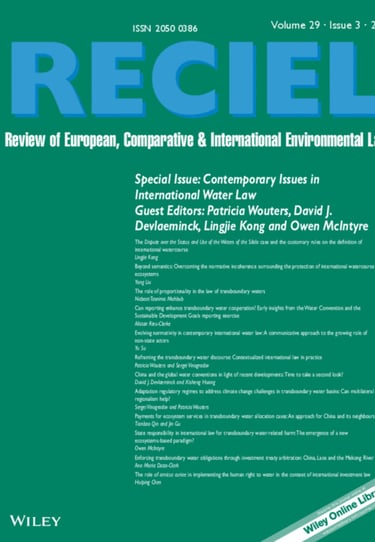
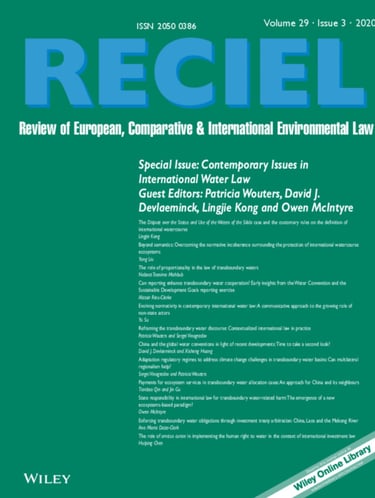
Contemporary Issues in International Water Law
Guest Editors:
Patricia Wouters, David J Devlaeminck, Lingjie Kong & Owen McIntyre
Review of European, Comparative & International Environmental Law 29(3)
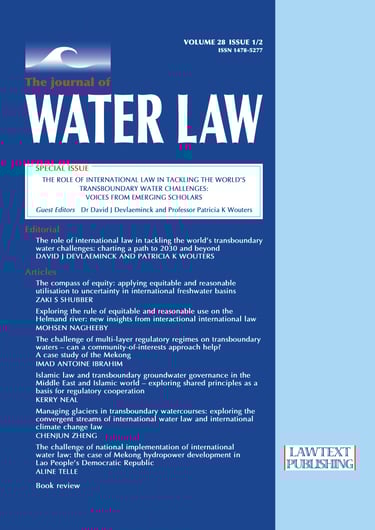
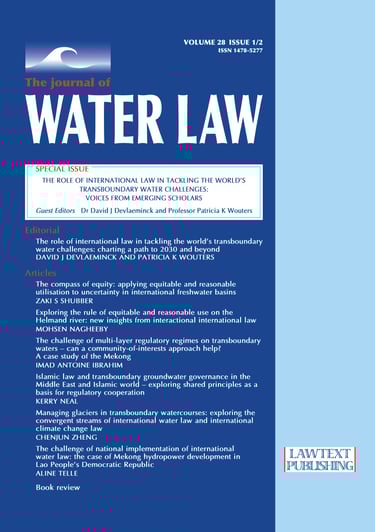
The Role of International Law in Tackling the World's Transboundary Water Challenges: Voices from Emerging Scholars
Guest Editors:
David J Devlaeminck & Patricia K Wouters
Journal of Water Law 28(1/2)
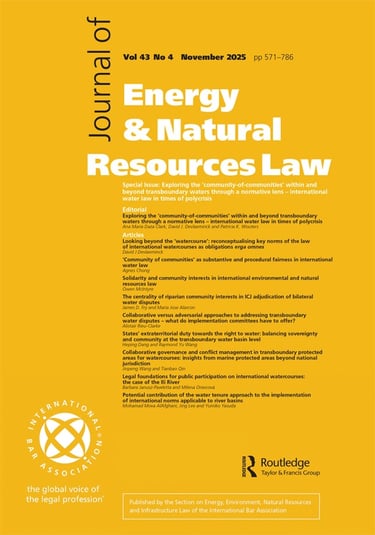
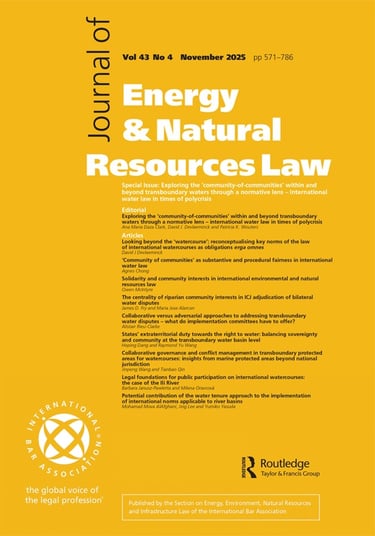
Exploring the "Community-of-Communities" Within and Beyond Transboundary Waters through a Normative Lens - International Water Law in Times of Polycrisis
Guest Editors:
Ana Maria Daza Clark, David J Devlaeminck, Patricia K Wouters
Journal of Energy & Natural Resources Law 43(4) 2025
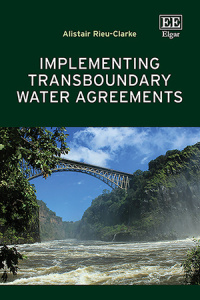
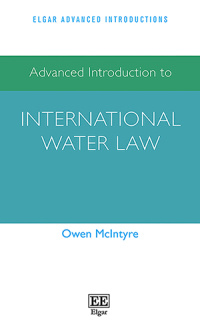
Research of our Affiliates